
After-Dinner Entertainment for Corporate Events: What Works and When to Schedule It
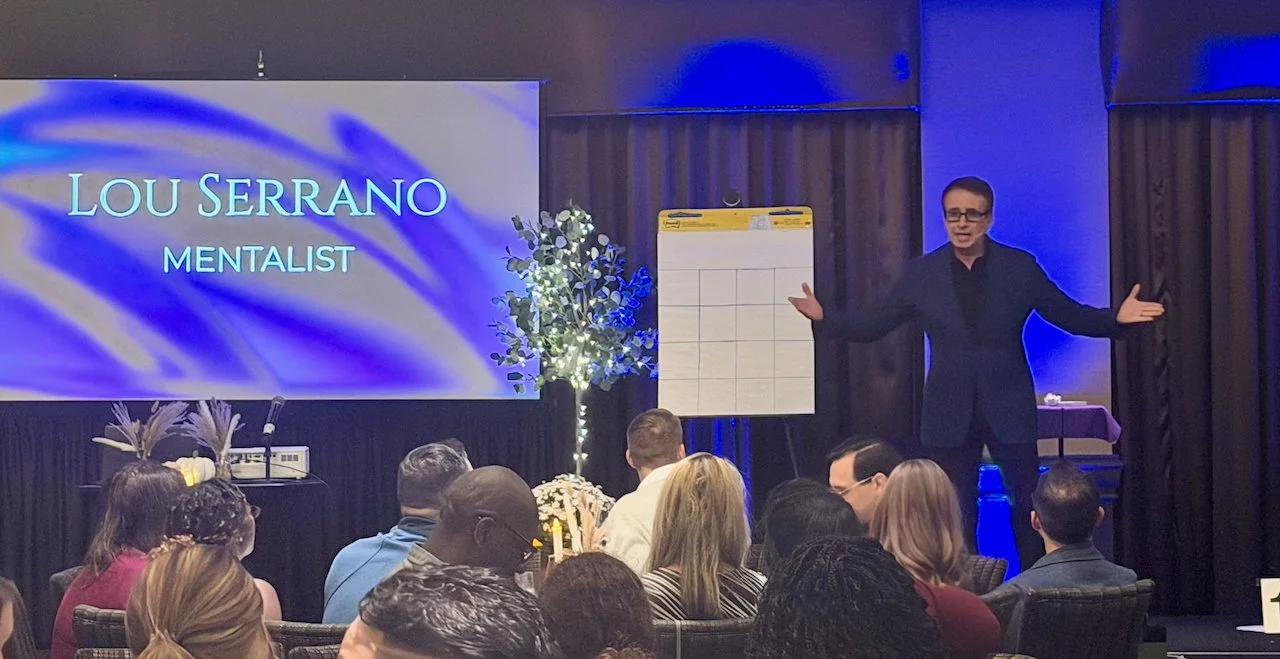
Onstage for InSource Services in Natick, Massachusetts
One of the first questions I ask when someone calls me about an after-dinner show is, “What’s happening right before I go on?”
If there’s an awards ceremony on the agenda, my recommendation is almost always the same. Serve dinner, clear the tables, start the show, then present the awards. By the time the host announces the first winner, guests have had a chance to laugh, cheer, and get involved. They’re ready to celebrate their colleagues.
Why I recommend doing the show before the awards
Think about how you feel after a big dinner. You’ve settled into your chair, you’re finishing your coffee, and you’re probably a little less alert than you were an hour ago. That’s the moment I like to start the show.
Awards can take longer than planned. There are introductions, walks to the stage, photos, and the occasional acceptance speech that turns into a story. When the show goes on afterward, some guests may already be heading home by the time the performer is introduced.
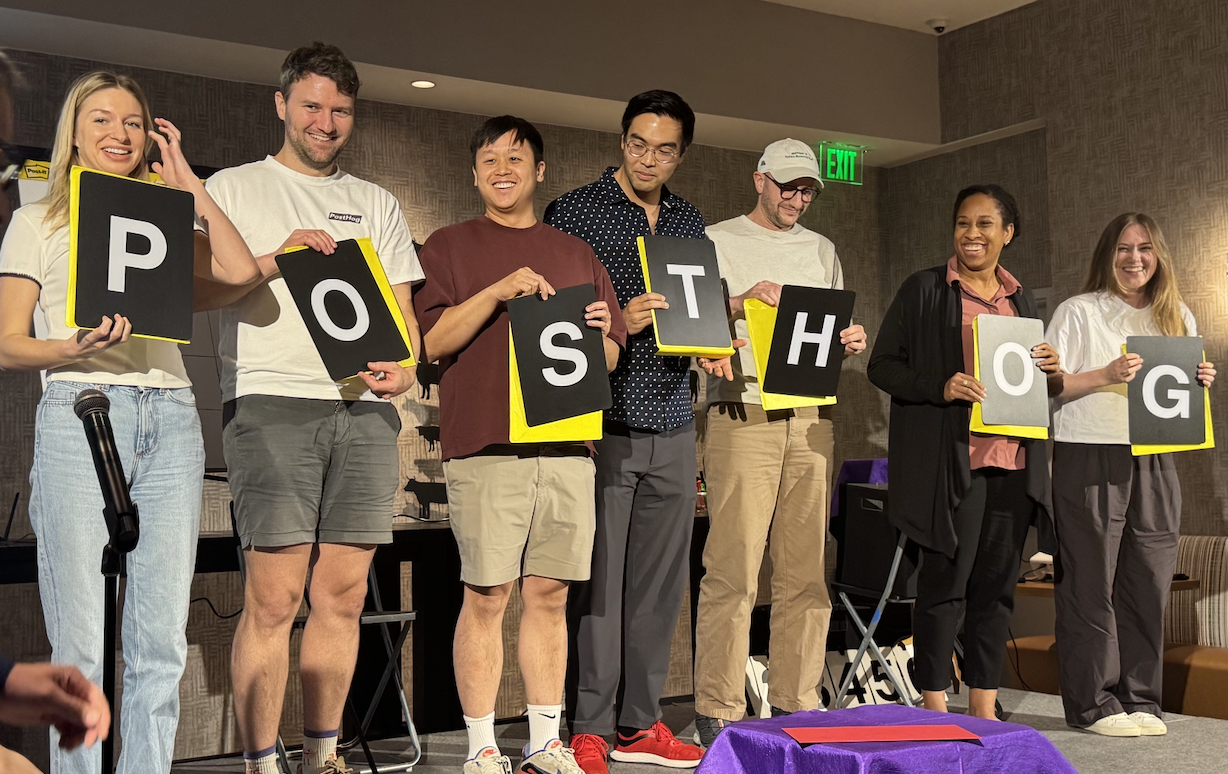
Members of the PostHog team joined me onstage for a mentalism demonstration that ended with the cards spelling out PostHog
At a PostHog offsite in Austin, one of my favorite moments was hearing people cheer for their coworkers as they got involved in the mind reading. At an awards dinner, that’s the kind of energy I want to hand back to the host. The people being recognized deserve a room that’s paying attention and ready to celebrate them.
One detail makes the transition from dinner to the show easier. Have the host check with the catering lead before making the introduction. If dinner runs a few minutes late, give the staff time to finish clearing so guests can give the show their full attention as soon as it starts.
What kind of entertainment works after a corporate dinner?
If you want to bring the whole room’s attention to one place, consider a featured performance such as mentalism, clean comedy, or a musical act. If you want guests to keep talking and moving around, live music or mingling entertainment can work well.
You can also use both formats in the same evening. At an InSource Services event in Natick, Massachusetts, I spent the first hour mingling with guests and performing for small groups. Later in the evening, I brought everyone together for a stage show. By the time I walked onstage, I’d already met some of the people in the room. I enjoy that about doing both. We’ve had a chance to get to know each other a little before the show begins.
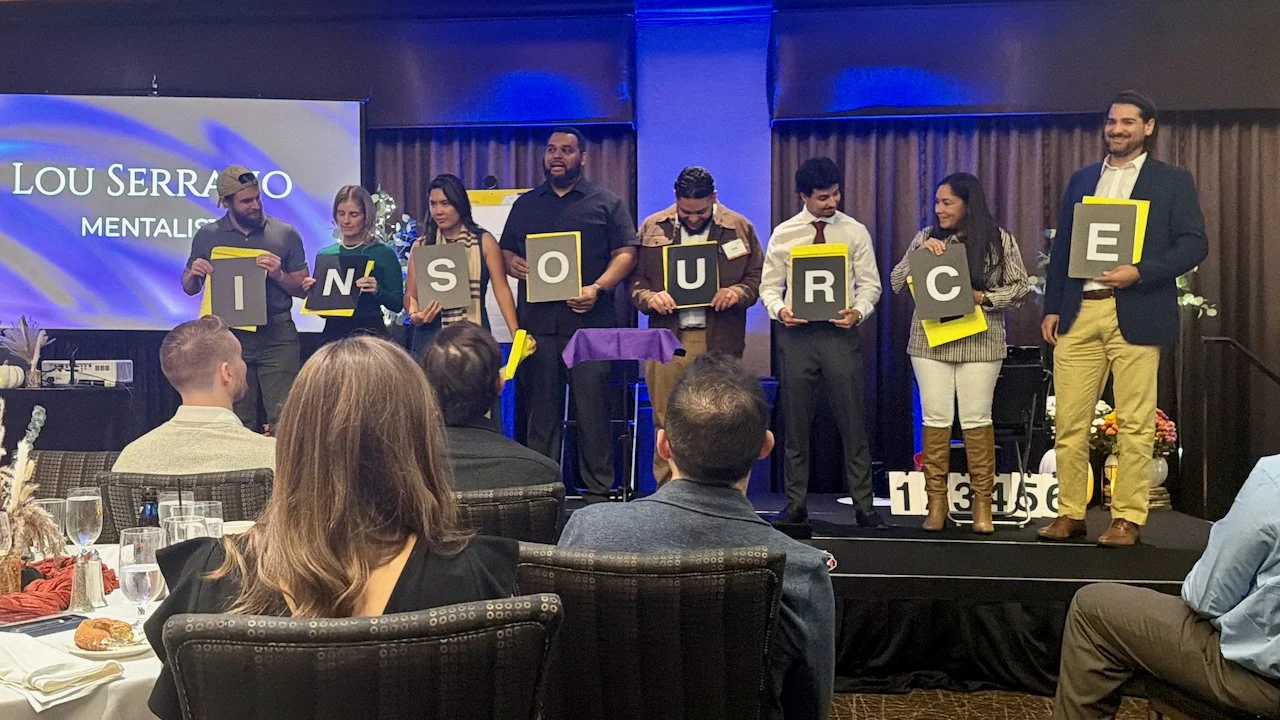
At the InSource Services event in Natick, Massachusetts, team members held up their cards to reveal the name InSource.
You can see how I approach both formats on my corporate entertainment page. If you’re still deciding which format fits your event, I go into more detail in my corporate event entertainment guide.
How long should after-dinner entertainment last?
I typically recommend 45 to 60 minutes for an after-dinner show. That gives guests the full experience. There’s time to get several people involved, let the room react, and build to a finale before handing the stage back to the host.
A 30-minute show can work when the schedule is tight. It’s a condensed version of the performance, with fewer demonstrations and a quicker pace. For an evening that also includes awards, 45 minutes is usually where I’d start. If the performance is the main feature and you have room in the schedule, I’d consider the full hour.
Can you do an after-dinner show without a stage?
Yes. For 30 guests in a private dining room, I’d look for a spot where everyone can see my face and hands. Sometimes that means turning a few chairs or keeping one end of the room open. I’d also check whether guests farthest from me can hear clearly once the room fills up.
For 300 guests in a ballroom, I’d plan for a raised stage, dedicated lighting, and a sound system that reaches the back tables. I’d check the view from those seats before guests arrive. A tall centerpiece, a pillar, or a wide dance floor can make a bigger difference than you might expect when you’re standing at the front of an empty room.
If you’re planning a gala, awards dinner, or conference closing dinner, tell me about your event. Let me know how many guests you’re expecting and what’s on the agenda so far. I’m happy to talk through where the show fits and how to make the handoff to your host feel natural.